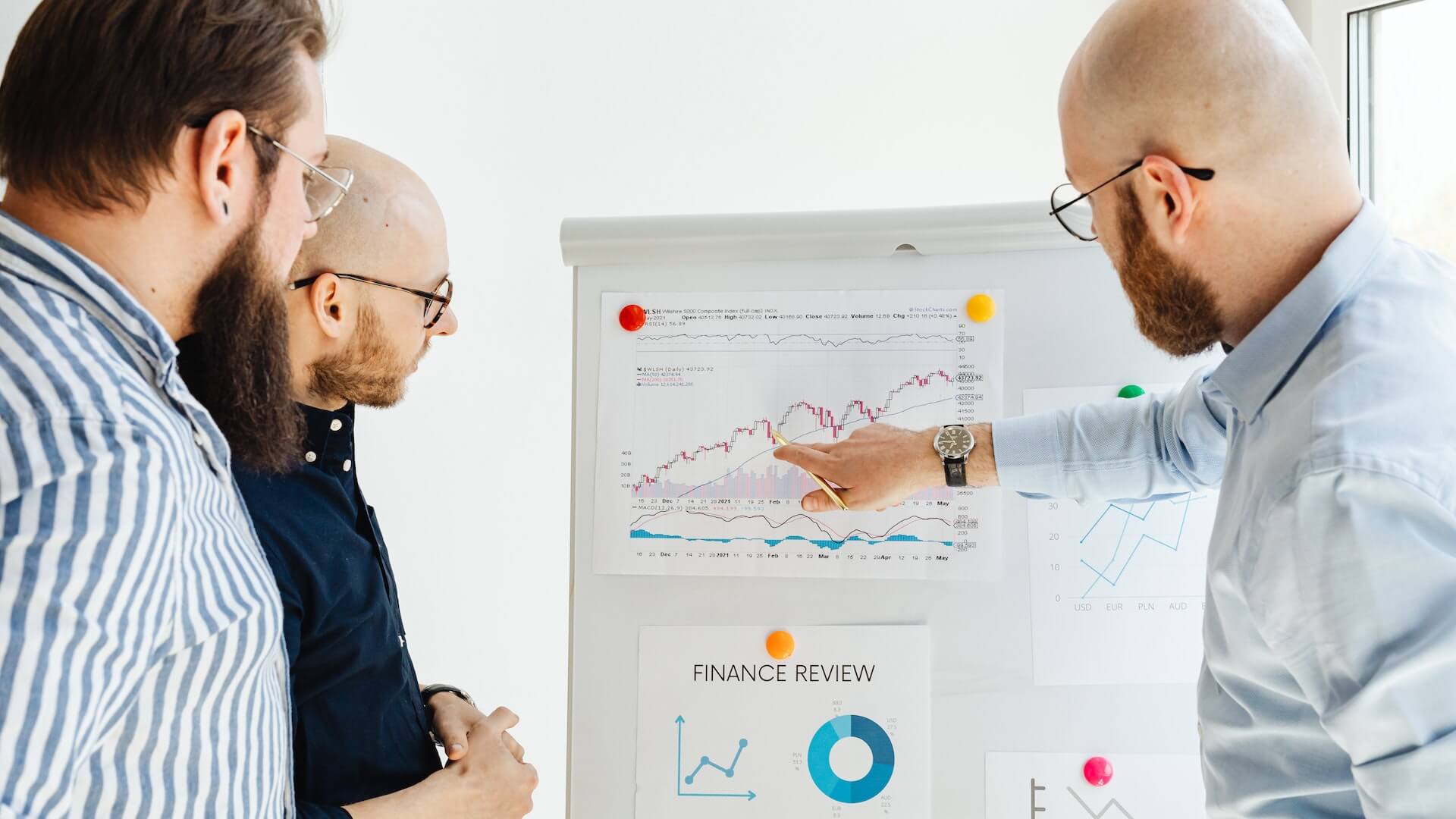
With the advent of the digital age, data has become one of the most valuable assets in businesses and organizations. And data analytics is the key tool to turn this data into real value.
Big data has been closely related to our life, many enterprises have started to use big data, even a small thing in our life may be related to big data.
As the world continues to urbanize and the amount of data generated by cities grows, the importance of big data analytics in shaping the future of urban life will only increase.
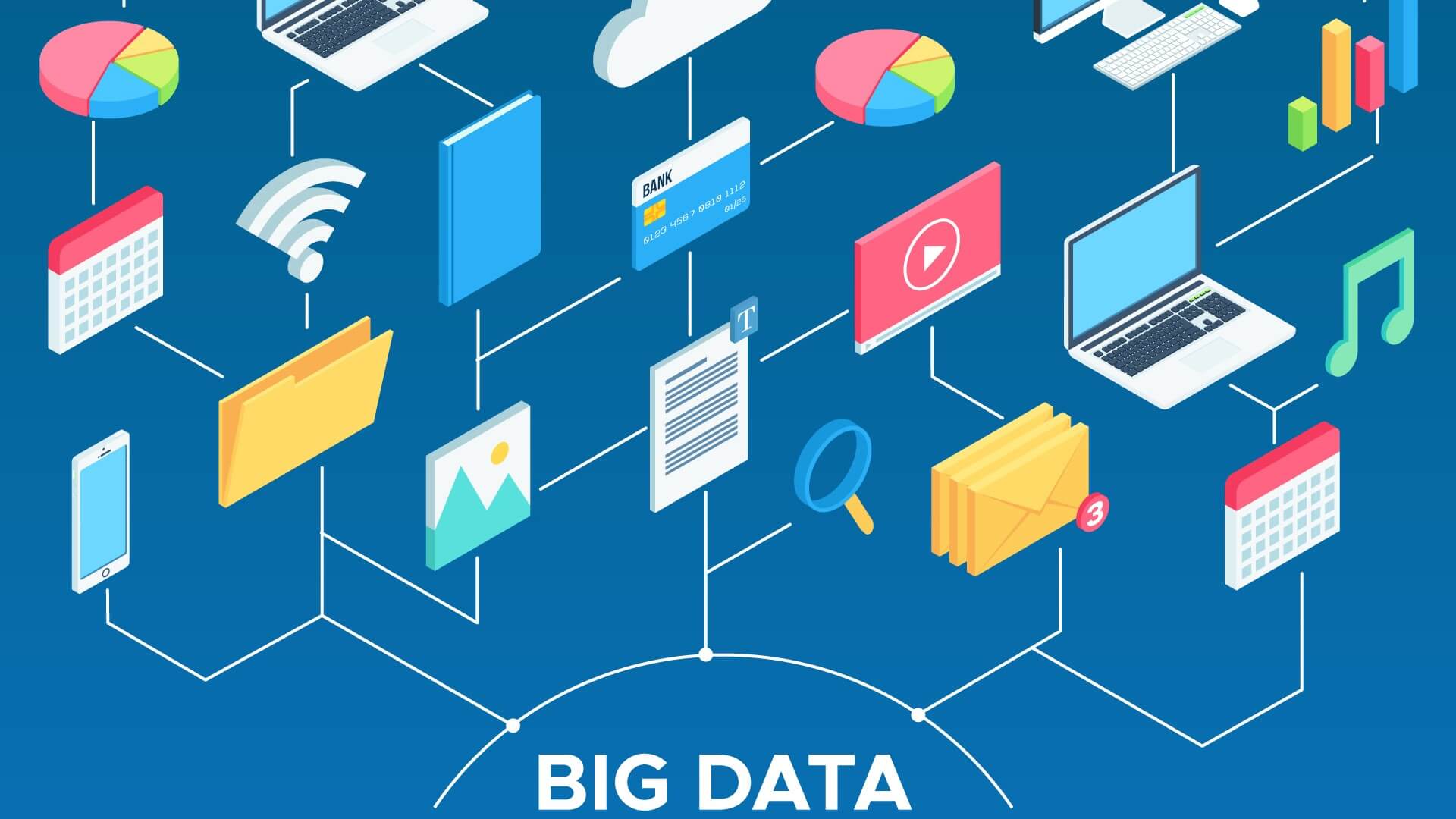
When executives hear the term "big data", they naturally think of an amazing amount of available data. This data comes from e-commerce and omni channel marketing, or from connected devices on the Internet of Things, or from applications that generate more detailed information about trading activities.
The data grid can overcome many challenges inherent in big data by driving higher levels of autonomy and data engineering alliances among a wider range of stakeholders. However, big data is not a panacea, it brings a series of risks for enterprises to manage.
2013 is called the first year of big data, and all walks of life are gradually opening the era of big data applications. Until now, big data is still talked about.
Big data analysis is a complex process of analyzing a large amount of data to discover information such as hidden patterns, relevance, market trends and consumer preferences, which helps enterprises make better decisions.
Human beings and objects are the two major categories of the earth. Human beings are the most advanced animals on the earth. Objects (animals, plants, organisms, microorganisms, man-made objects) cannot be made. Human beings have wisdom and dominate the earth;
On the Internet, everyone leaks certain fragments of information more or less, either actively or passively. When this information is mined by big data, there is a risk of privacy leakage and raises information security issues.
Although big data may seem advanced, but in these years of development, there have been many cases close to our lives, but we may not realize that this is actually "big data" in action.