Sundar Pichai, CEO of Google parent company Alphabet, announced in a post on its official website that the company will merge two AI labs, Google Brain and DeepMind, to form a new division, Google DeepMind.
AI
As we all know, artificial intelligence was first proposed in 1956. After 60 or 70 years of development, it has experienced a boom and then a decline. Although there is some progress in theory, there is no major breakthrough. All research is based on the modern computer prototype made by mathematician Turing in 1936. So there is still a big gap between AI and what we know.
Many workers, especially freelancers and small business owners, are already using generative AI tools to save time.
The emergence of ChatGPT technology has triggered a change in human-computer interaction, and more and more people are paying attention to what impact ChatGPT will have.
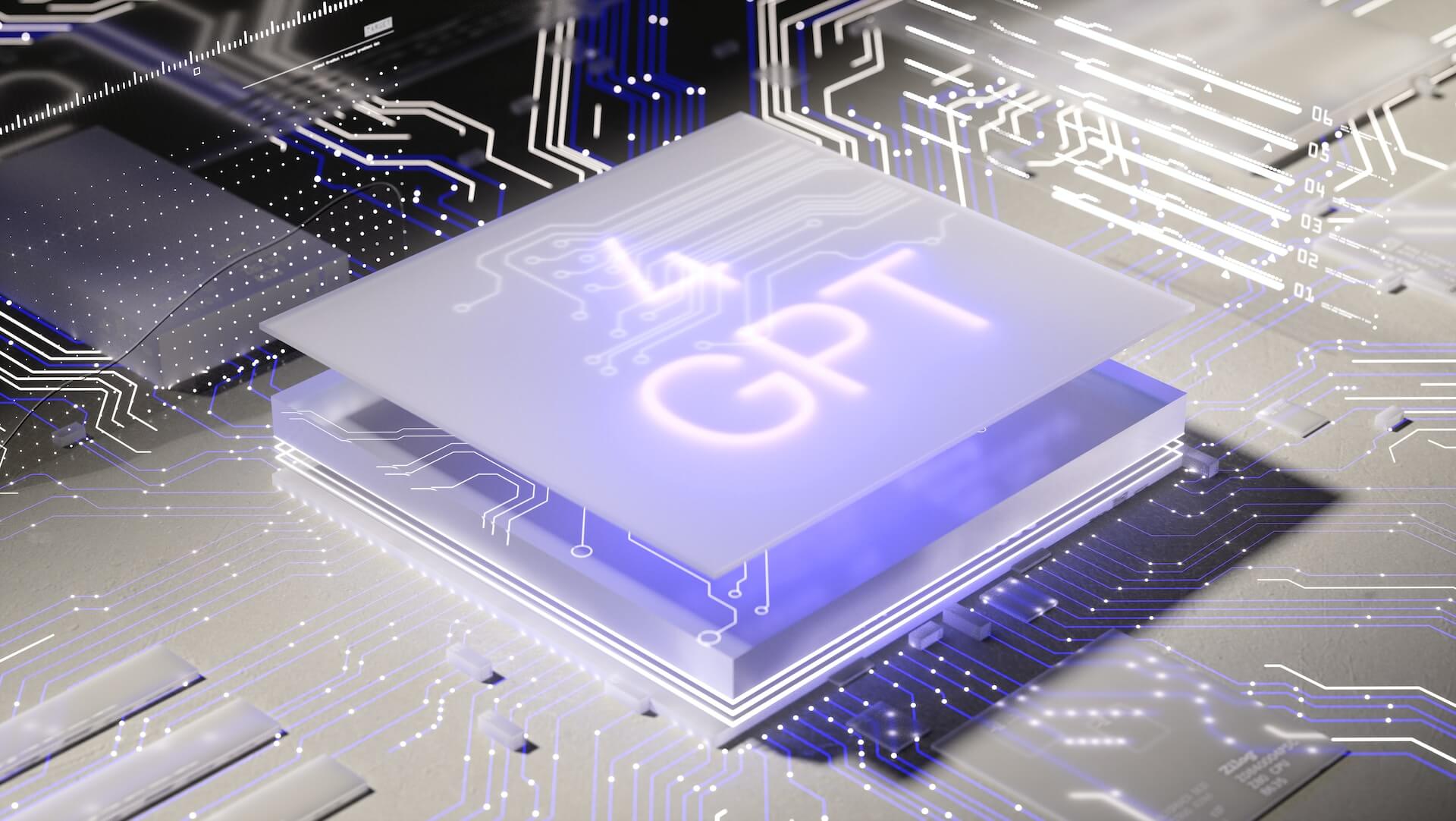
ChatGPT, an artificial intelligence community, has announced a new version - GPT-4 - that will allow users with access to the API to customize the "personality" of the AI.
AI can now code in any language without additional training.
With the development of AI technology, people have been gradually carrying out applications in various fields of AI. However, the development of AI has also given some people an opportunity to take advantage of it.
Researchers have developed an AI "decoder" that can decode the words that appear in a person's head by simply scanning brain activity with an instrument and passing it to a decoder for analysis
There is no denying that AI models like ChatGPT are becoming more and more powerful, but as their tentacles reach into all corners of human work, learning, and life, human existence and interests are being increasingly squeezed.
Language models are artificial intelligence techniques that generate natural language based on a given text, and OpenAI's GPT family of language models is one of the most advanced representatives available today