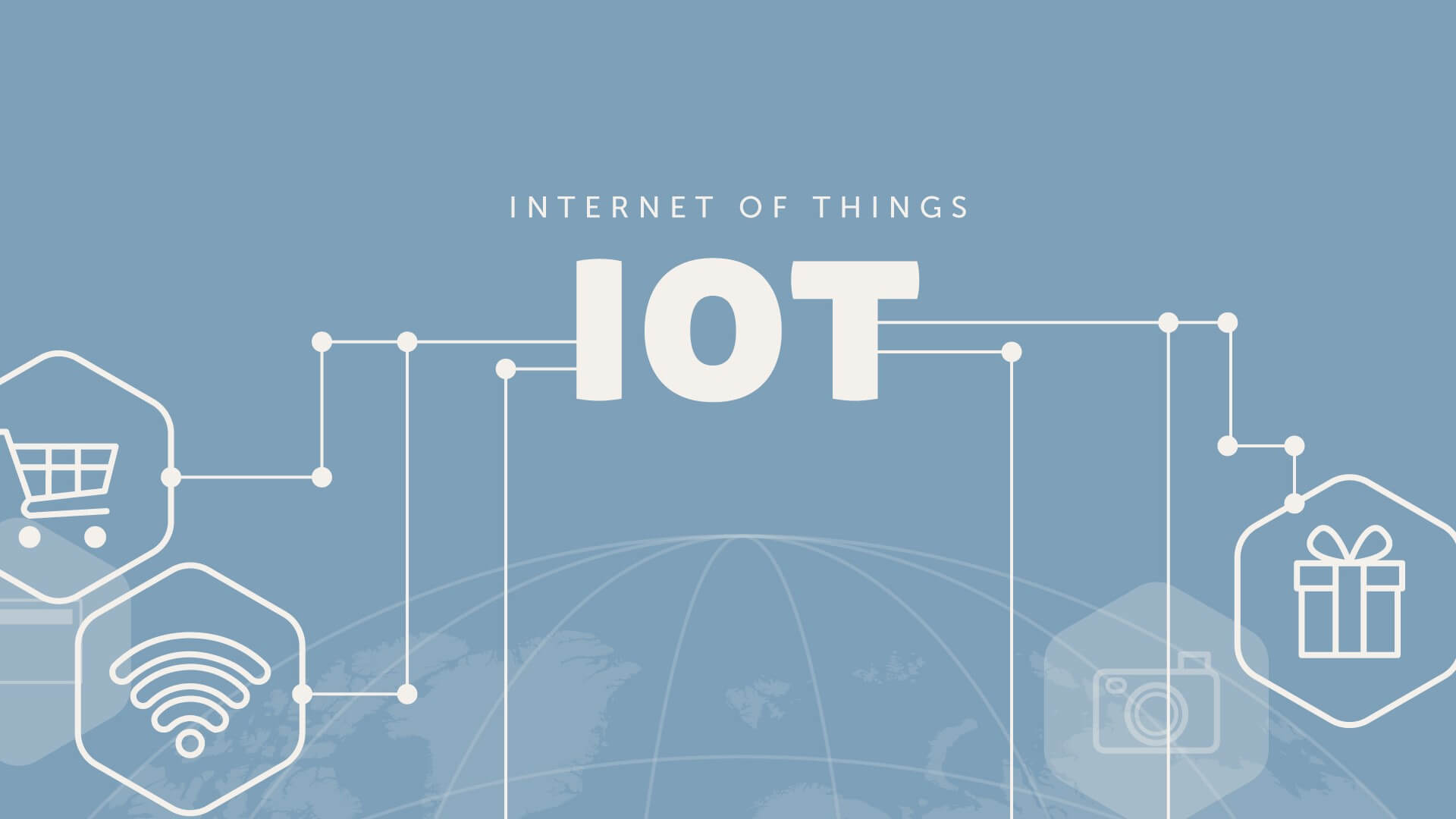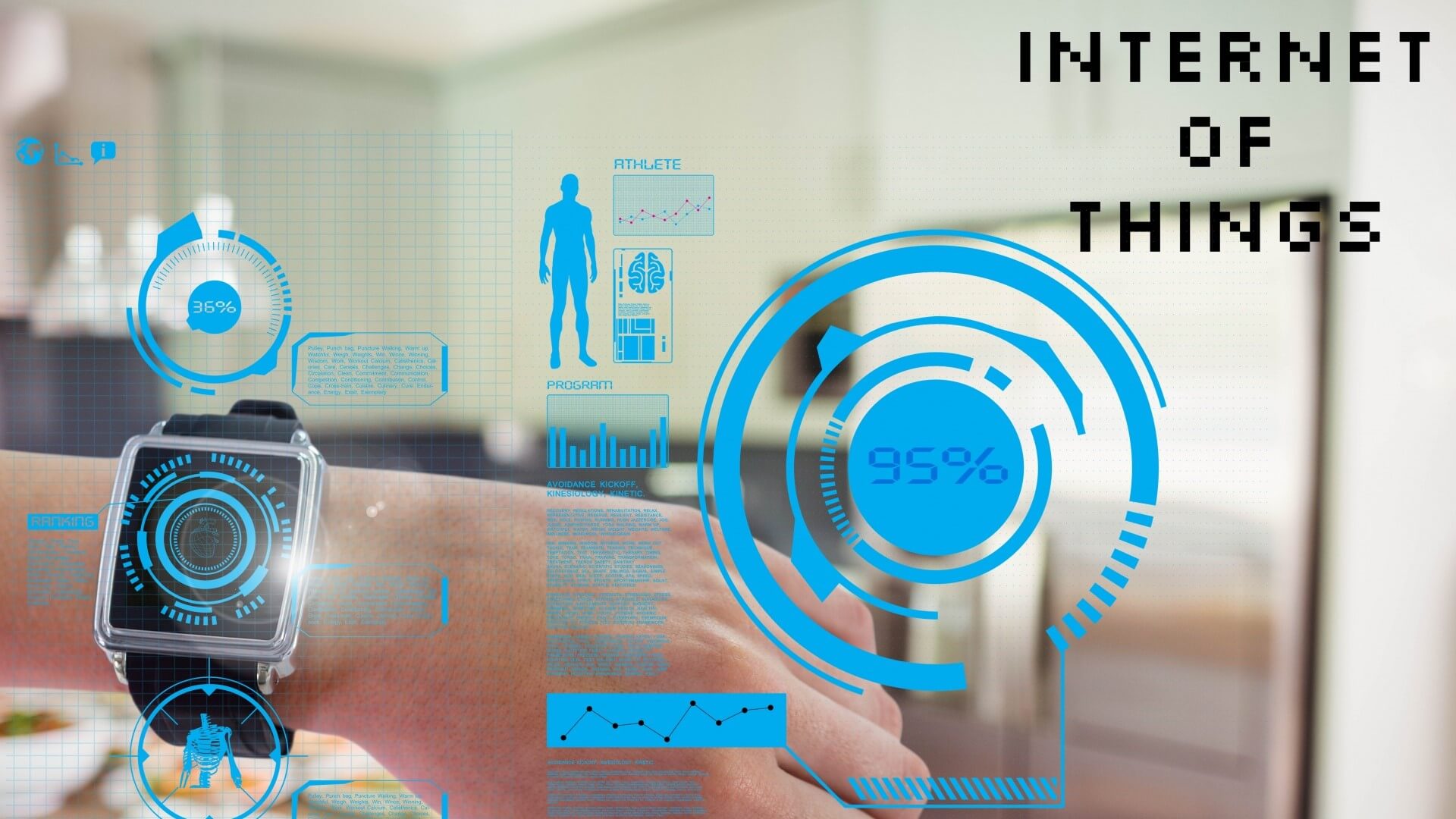

The Internet of Things is an extension of the Internet, which aims to make everything connected. Since it is an extension of the Internet, let's start with the Internet we are familiar with. What we usually call the Internet is actually a huge network that connects all computers together. As long as the equipment connected to the Internet can exchange information with each other.
IoT
Many oil and gas companies also lack the IoT strategic skills required by top management or senior leadership teams to fully integrate IoT into their overall business strategy
IOT refers to a network of interconnected computing devices, machines, objects, animals and people that can share data with other devices and systems over the network.
The urgent need for data for enterprises that are reshaping their platforms for the digital age has spurred a proliferation of IoT implementations across multiple industries, including industrial manufacturing, agriculture and retail.
It is almost certain that the rise of self-driving cars will usher in an era of carpooling for all, meaning that the immediate need for cars will decline and fewer people will need (or want) to own them.
Like any other computing device, IoT devices are a potential entry point for attackers to compromise a company's network, and as such, strong security measures are needed to protect them.
With data increasing and moving everywhere, security is now becoming more and more important.
Replacing human activity with connected devices in many manufacturing processes has revolutionized the image of manufacturing.
Behind some of the successful companies, they have some common core skills and approaches to IoT that you can't afford not to know.
Although there are many ways for companies to create value through Internet products, we find that there are six main ways for companies to make money from Internet of Things products.