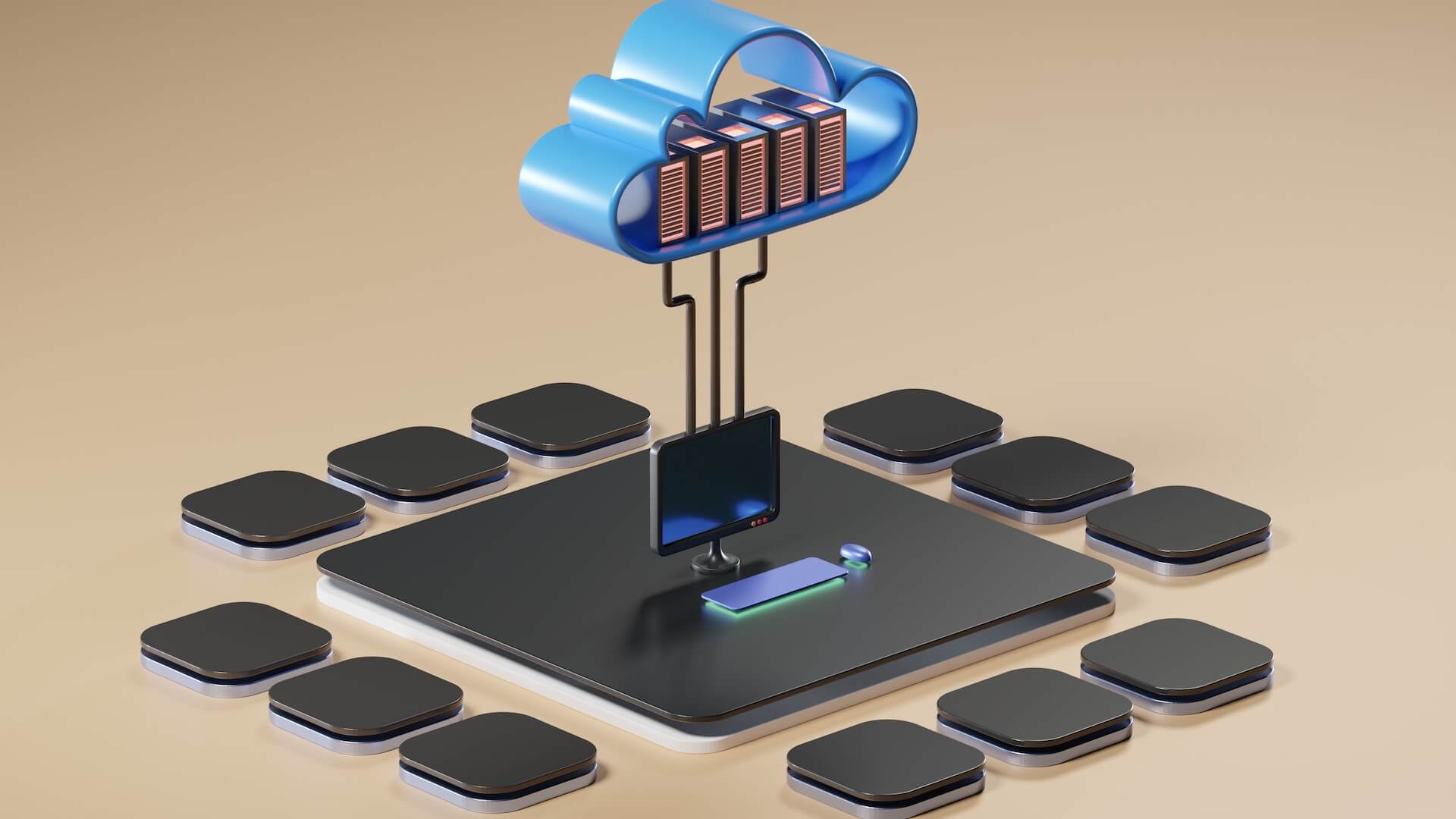

As more and more enterprises transfer their business to the cloud platform, it is crucial to understand the most common and dangerous cloud security risks and how to maintain protection.
CLO
Over the past 20 years, public cloud architectures have transformed the process and approach to software deployment, bringing tremendous convenience and efficiency to customer access to software. However, there are still government and commercial customers who, for a variety of reasons, have to accept private software environments over which they maintain full control.
What is clear is that cloud computing is accelerating faster than predicted, adoption rates are high, and revenue generation is soaring.
Security ThreatsWhile most cloud providers have adopted some security measures to prevent hackers from penetrating their cloud infrastructure, the incidence of data breaches indicates that cloud computing remains vulnerable to attack.
The industry discussion on cloud migration has focused on how to redesign applications to take full advantage of cloud services and then migrate them to the cloud.
The NASSCOM-EY survey revealed that 78% of Indian IT companies, 53% of healthcare and BFSI companies and 49% of pharma companies have migrated to the cloud after 2019.
Cloud providers have different options for cloud-based infrastructure, and organizations that choose a cloud provider must understand and be comfortable with how they interact with and manage their environment.
Serverless is a new cloud computing paradigm that allows developers to focus more on application development and deployment without focusing on the underlying infrastructure.
Smart cities will permeate every aspect of our daily life. Whether it is improving traffic flow, garbage collection, or public maintenance of smart cities, it will ensure a safer, cleaner and more affordable urban center, and maximize the service and budget.
Cloud computing is technically a data service center architected by virtualization technology to realize resourcefulness of storage, computing, memory, network, etc. and dynamic allocation according to user needs.