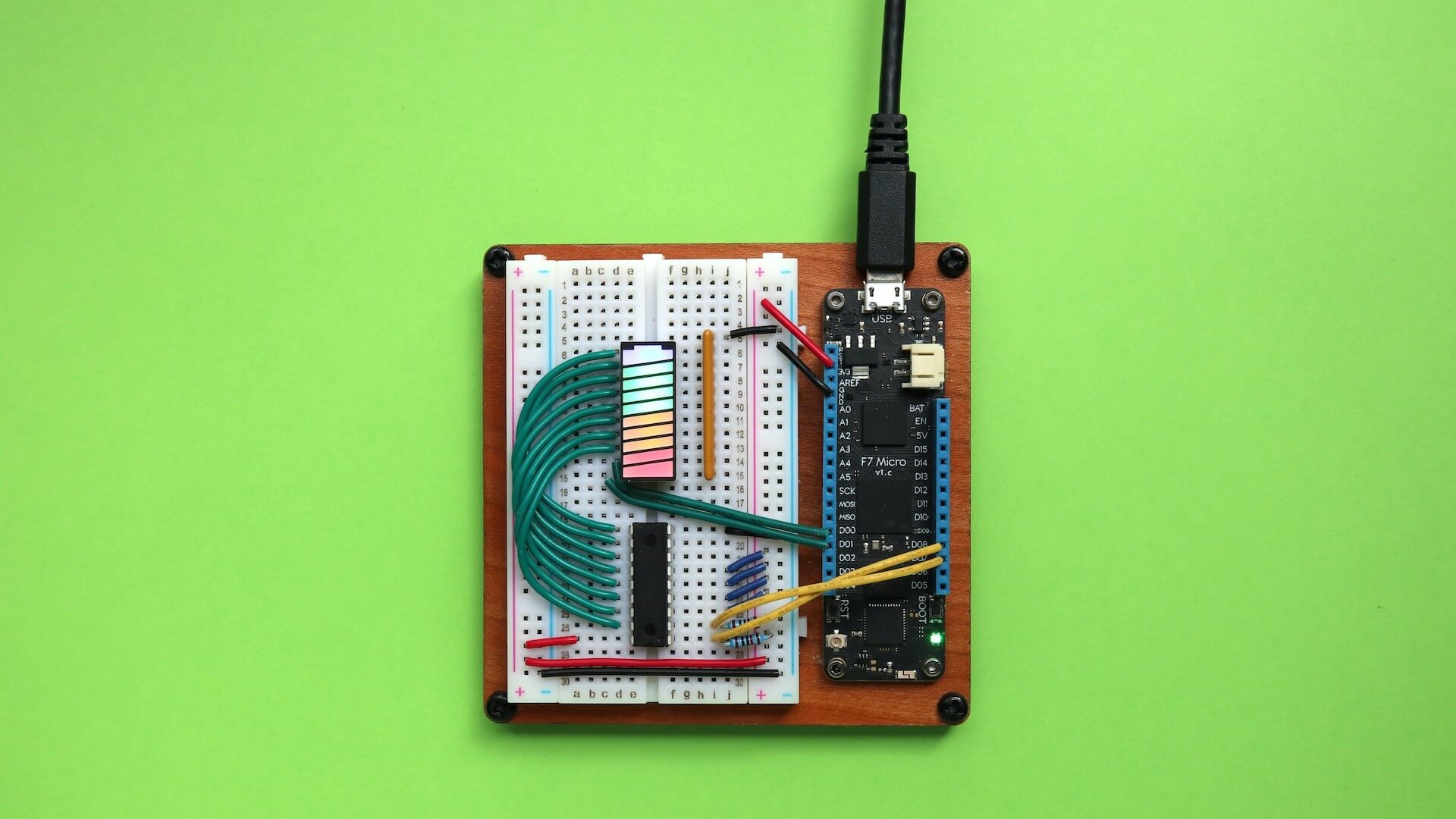
While we often think of the Internet of Things as having an important place in commercial and industrial settings, it is also being widely adopted in a variety of public institutions such as museums and galleries.
Seventy percent of respondents expect a return on their investment within one year, while for another 30 percent, a return on investment within six months is desired.
Choosing the right software platform can really maximize the ROI of your IoT project, and you can even choose a platform that uses your IoT data to trigger remedies and assignments for your operations team via an app.
In August, Google Cloud said it would discontinue its core IoT services and give customers a month to migrate their IoT devices; these back-to-back announcements have forced people to think about the future of IoT in general.
Devices offer significant benefits to businesses and consumers by collecting and processing large volumes of real-time data. However, this massive data collection and management also presents a unique set of challenges.
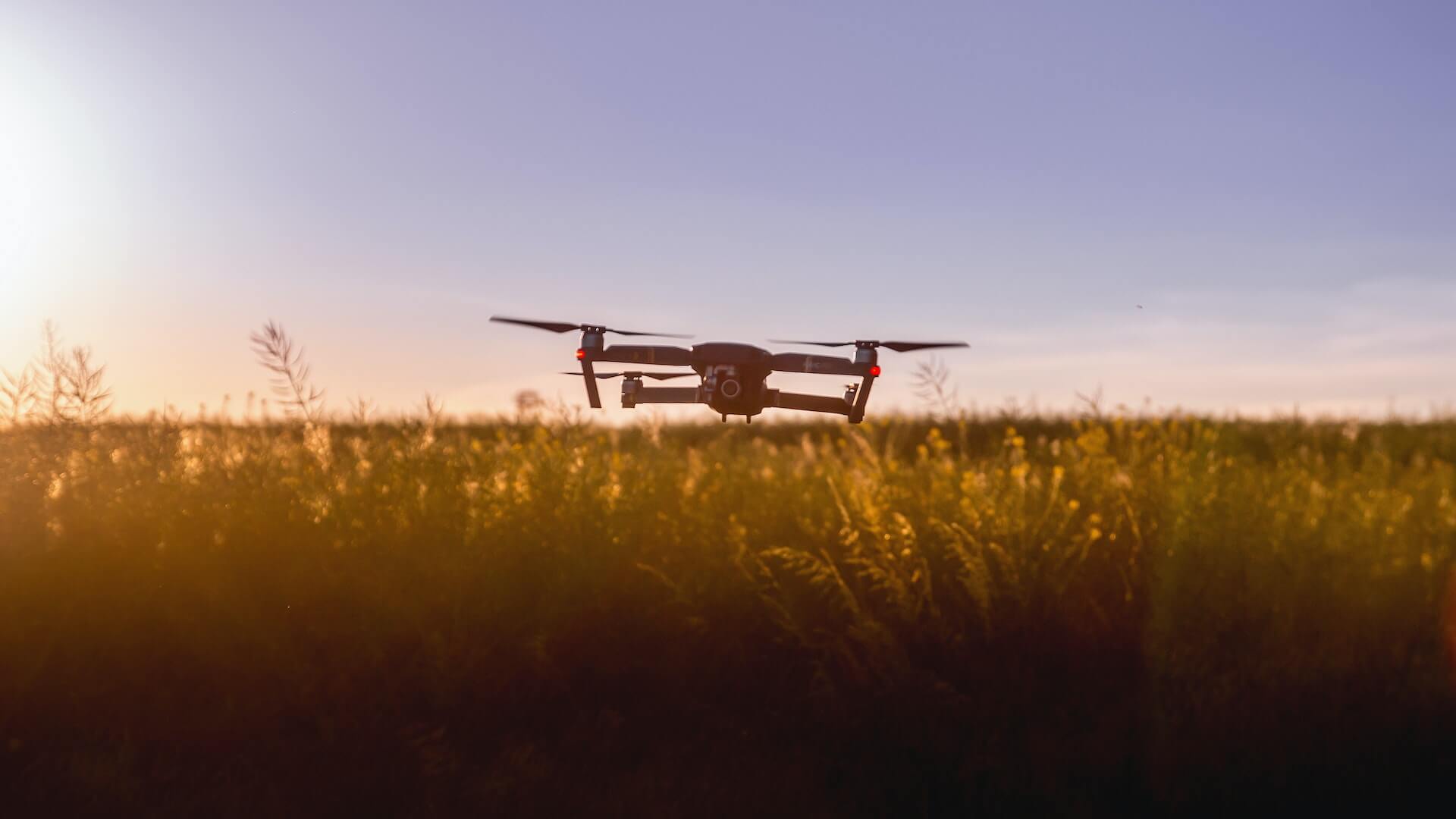
The Internet of Things has already brought great advances to many industries, including construction, health and education. Agriculture, of course, is no exception.
The urgent need for data for enterprises that are reshaping their platforms for the digital age has spurred a proliferation of IoT implementations across multiple industries, including industrial manufacturing, agriculture and retail.